Salmon fishing in Ketchikan is world-famous—and for good reason. Often called the Salmon Capital of the World, Ketchikan, Alaska offers some of the most consistent and diverse salmon fishing anywhere on the planet.
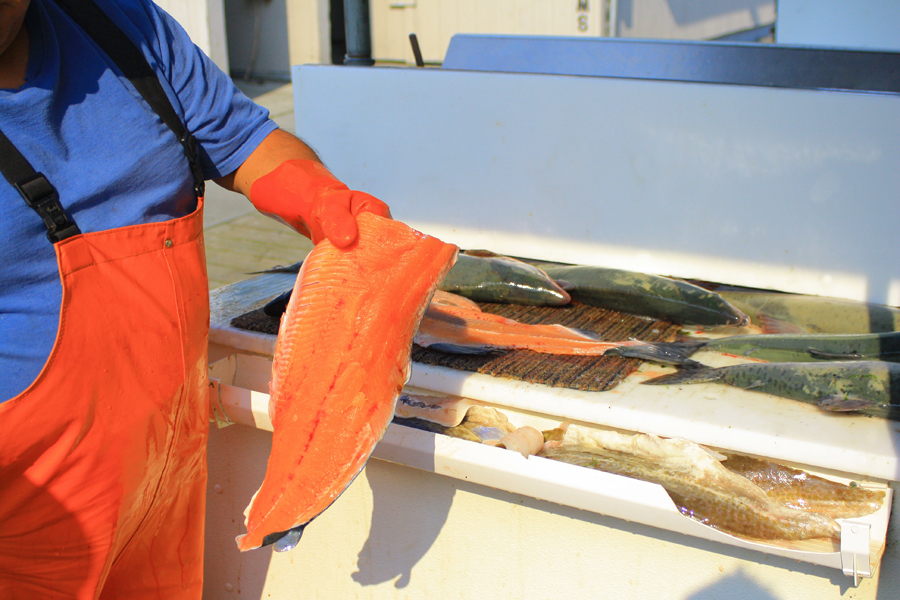
If this is your first visit to Alaska, you may think salmon is just salmon. But once you arrive in Southeast Alaska, you’ll quickly learn that there are five distinct species of Pacific salmon, each with its own season, behavior, and fight. Ketchikan’s rich waters provide anglers the opportunity to target all five.
While it’s technically possible to catch salmon year-round, the best salmon fishing season in Ketchikan runs from May through October. During winter months, limited daylight and harsh weather make fishing impractical, which is why most Alaska fishing charters operate only during peak season.
Below is a breakdown of the five types of salmon you can encounter while fishing in Ketchikan, Alaska.
The King salmon, also known as Chinook, is the largest and rarest of all Pacific salmon. Weighing anywhere from 30–40 pounds, with some exceeding 100 pounds, Kings are prized for their high oil content and rich, buttery flavor.
Alaska’s official state fish
Identified by black spots on their back and tail
Peak season: May–June
Kings are highly sought after by both sport anglers and seafood lovers alike.
Chum salmon are easily recognized by their dramatic color changes during spawning, developing bold vertical stripes and a deep green hue.
Average weight: 7–18 pounds
Known for firm meat and low oil content
Commonly smoked, dried, or used in chowders
Peak season: July–August
Chums are also called Dog Salmon due to their historical importance to Alaska Native communities.
Coho salmon, or Silvers, are one of the most popular sport fish in Ketchikan due to their aggressive strikes and powerful fights.
Average size: 8–12 pounds, 24–30 inches
Bright silver sides with orange-red flesh
Excellent table fare
Peak season: July–November
Coho fishing in Ketchikan is especially productive later in the summer and into fall.
Widely considered the best-tasting Alaskan salmon, Sockeye are famous for their deep red flesh that remains vibrant even after cooking.
Average weight: ~6 pounds
Strong commercial and economic importance
Popular with fly anglers in river systems
Peak season: July–October
Sockeye are less commonly targeted with rod and reel due to unique feeding habits, though opportunities do exist.
Pink salmon are the most abundant salmon species in Alaska and a staple of Ketchikan fisheries.
Average size: 3–5 pounds
Identified by large spots and a pronounced hump on males
Extremely aggressive fighters despite their size
Peak season: Late June–Mid October
Most Pink salmon are harvested commercially and canned, but they are a blast to catch on light tackle.
Which salmon species you target depends on when you visit:
May–June: King Salmon
July: Chum, Sockeye, early Coho
August–September: Coho and Pink Salmon
October: Late-season Coho
Ketchikan is especially well known for Pink and Coho salmon, while Sockeye are more concentrated in areas like Bristol Bay.
Ready to experience world-class salmon fishing in Ketchikan, Alaska? Booking a guided charter gives you access to local knowledge, proven fishing grounds, and the best chance at landing multiple salmon species in a single trip.
📞 Book your Ketchikan salmon fishing charter today or contact us with questions about availability, seasons, and trip options. We’re happy to help you plan the perfect Alaska fishing adventure.